


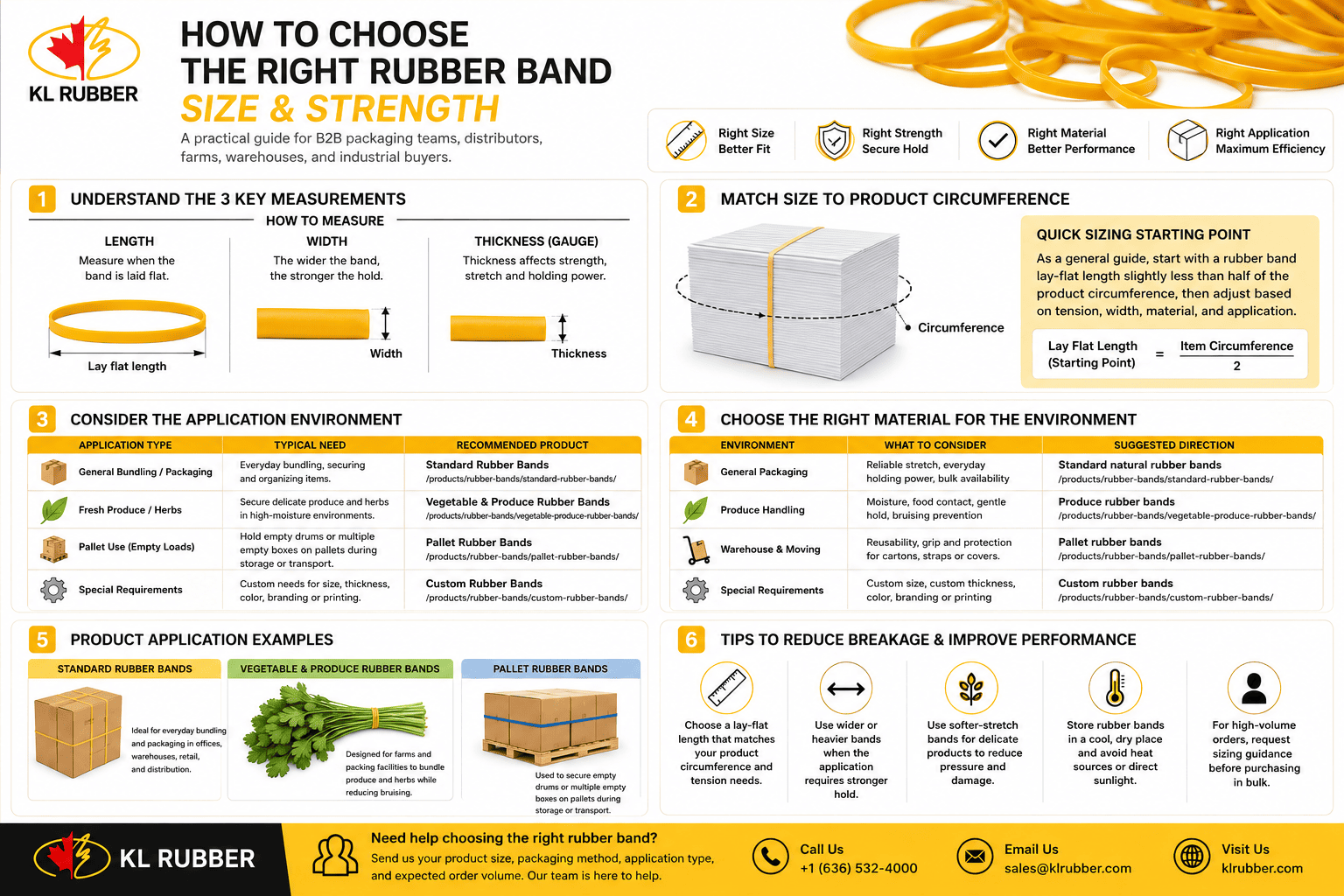
The length of the band measured from end to end while it is resting flat and unstretched.
Understanding Band Measurements
What Do Rubber Band Sizes Mean?
Rubber band sizes are identified by a size number or product designation, but that number is not a direct measurement by itself. Use the size chart to compare the band’s lay-flat length, width and thickness.
How rubber band size numbers work
A size such as #16, #33 or #64 represents a standard combination of dimensions. For example, Size #16 has a 2 1/2-inch lay-flat length, a 1/16-inch width and a 3/64-inch thickness. Size #64 has a 3 1/2-inch lay-flat length, a 1/4-inch width and a 3/64-inch thickness. Always check the complete specification because similar numbers can represent bands with different dimensions.
Measure the lay-flat length
Place the unstretched band on a flat surface. Measure from one folded end to the opposite folded end without pulling or stretching it.
Do not measure the full loop circumference as the lay-flat length.Measure the width
Measure across the flat face of the rubber strip. Width affects the contact area and how pressure is distributed across the item.
Width is different from the opening or diameter of the band.Measure the thickness
Measure the depth of the rubber material using an appropriate precision tool. Thickness may also be described as the band’s gauge.
Do not assume that bands with the same length have the same holding characteristics.
Why all three measurements matter
Two rubber bands can share the same lay-flat length but have different widths or thicknesses. This changes the surface contact, resistance and suitability for a particular packaging or bundling application.
Application Environment
Match the Rubber Band to How It Will Be Used
Size is only one part of product selection. Buyers should also consider the item being held, required tension, handling frequency, moisture, temperature, sunlight, food-contact requirements and whether a standard or custom specification is needed.
 Standard Bands
Standard Rubber Bands
For general bundling, packaging, distribution, office and everyday commercial applications requiring consistent standard dimensions.
Explore Standard Rubber Bands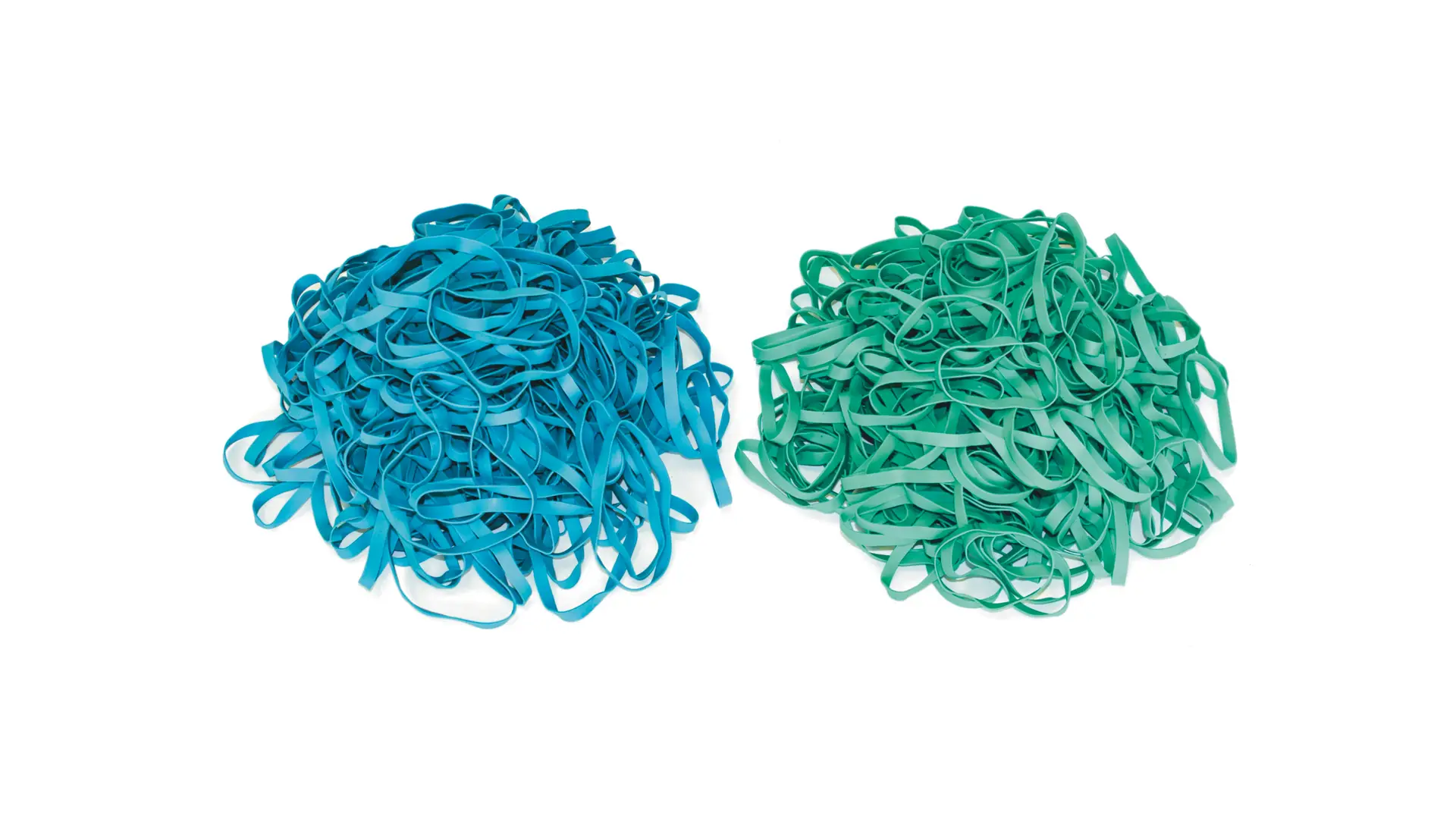 Postal Bands
Postal Rubber Bands
Designed for mailrooms, logistics operations and repeated high-volume handling where controlled, comfortable stretch is important.
Explore Postal Rubber Bands Produce Bands
Vegetable & Produce Bands
For bundling leafy greens, herbs and produce in farm, packing, distribution and grocery supply workflows where a secure but gentle hold is needed.
Explore Produce Rubber Bands Pallet Bands
Pallet & Moving Bands
Large-format bands for holding empty drums or multiple empty boxes together during pallet storage, movement and warehouse handling.
Explore Pallet Rubber Bands Oversize Bands
Oversize Rubber Bands
For bins, covers, large packages and bulky or irregular items that require dimensions beyond standard rubber band sizes.
Explore Oversize Rubber Bands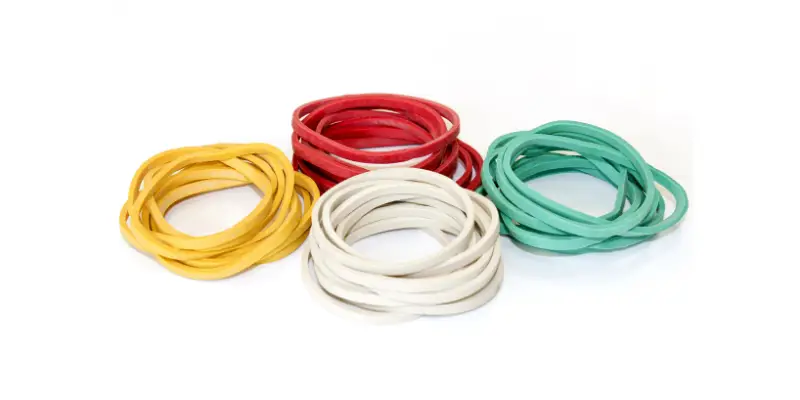 Custom Bands
Custom Rubber Bands
For projects requiring custom dimensions, color, printing, packaging, branding or other application-specific specifications.
Explore Custom Rubber Bands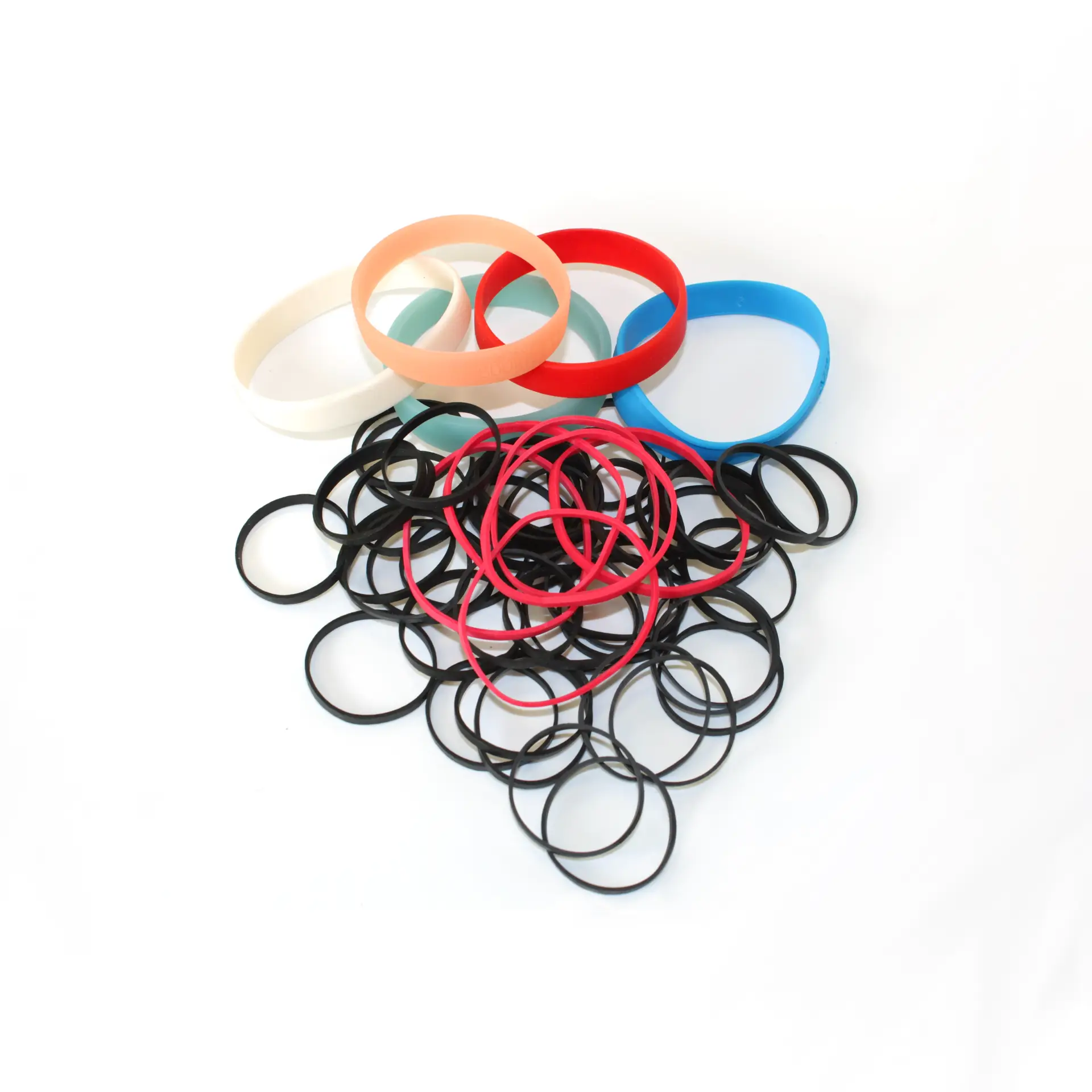 Non-Latex Bands
Non-Latex Rubber Bands
Synthetic, latex-free options for environments or applications where natural latex sensitivity must be considered.
Explore Non-Latex Rubber Bands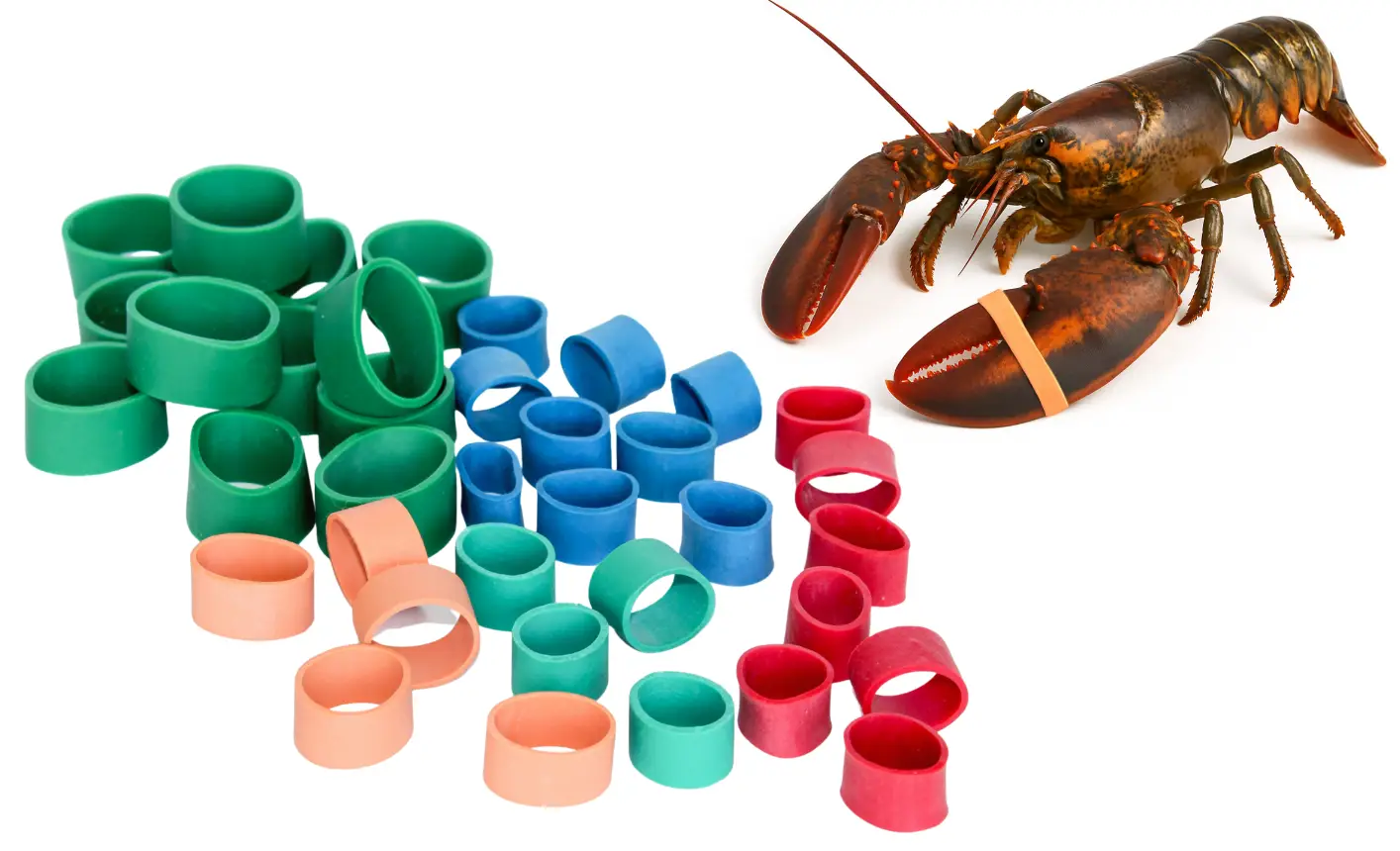 Seafood Bands
Lobster & Crab Bands
Application-specific bands for seafood handling in cold, wet and refrigerated processing or shipping environments.
Explore Lobster & Crab Bands Stationery Bands
Stationery Rubber Bands
Natural rubber bands for documents, office organization, retail displays and general institutional or stationery supply needs.
Explore Stationery Rubber BandsQuick Application Comparison
Use this table as a starting point, then review the individual product page or confirm current specifications with KL Rubber.
| Application | Important considerations | Suggested product category |
|---|---|---|
| General bundling and packaging | Standard dimensions, consistent supply and everyday handling | Standard Rubber Bands |
| Mailroom and postal handling | Repeated use, controlled stretch and high-volume workflows | Postal Rubber Bands |
| Fresh produce handling | Moisture, product sensitivity and gentle surface contact | Vegetable & Produce Bands |
| Large or bulky items | Large dimensions, repeated handling and containment needs | Oversize Rubber Bands |
| Custom specifications | Custom size, color, printing, branding or packaging format | Custom Rubber Bands |
| Latex-sensitive environments | Material requirements and suitability for the intended use | Non-Latex Rubber Bands |